
¡Escuchá esta historia!
El Colegio Nacional de Buenos Aires forma parte de la Manzana de las Luces. Aquí funcionó el Colegio Máximo de San Ignacio, el Real Colegio de San Carlos y Colegio de Ciencias Morales, hasta que Mitre, en 1863, crea el Colegio Nacional de Buenos Aires.
La construcción actual fue inaugurada en 1938 y es obra del arquitecto francés Norberto Maillart.
El colegio tiene una serie de detalles interesantes: una piscina climatizada; un stand de tiro al blanco y un pequeño observatorio astronómico. Además, podemos encontrar laboratorios de química, botánica y física; una biblioteca y un salón de actos donde, en 1926, fue recibido oficialmente en Buenos Aires Albert Einstein.
Por sus claustros transitaron personalidades de la política, las humanidades, las artes y las ciencias de la Argentina. Entre ellos, los presidentes Carlos Pellegrini, Roque Sáenz Peña, Marcelo T. de Alvear y los dos primeros premios Nobel: Carlos Saavedra Lamas, Nobel de la Paz en 1936 y Bernardo Houssay, Nobel en Medicina en 1947.
Hoy el Colegio Nacional de Buenos Aires continúa siendo el palacio educativo más emblemático de la Ciudad y es un símbolo de la excelencia tanto académica como arquitectónica.
You are in the “Colegio Nacional de Buenos Aires”. This building is part of the “Manzana de las Luces”. The Colegio Máximo de San Ignacio, the Real Colegio de San Carlos, and the Colegio de Ciencias Morales operated here until Mitre, in 1863, created the Colegio Nacional de Buenos Aires.
The current construction was inaugurated in 1938 and is the work of the French architect Norberto Maillart. Be sure to take a close look at its majestic architecture and the imposing French Neoclassical style stone façade.
The school has a number of interesting details: a heated swimming pool; a target shooting stand and a small astronomical observatory. In addition, we can find chemistry, botany and physics laboratories; a library and an assembly hall where, in 1926, Albert Einstein was officially received in Buenos Aires.
The University's cloisters have been visited by important figures in politics, humanities, arts and sciences of Argentina. Among them, Presidents Carlos Pellegrini, Roque Sáenz Peña, Marcelo T. de Alvear and the first two Nobel Prize winners: Carlos Saavedra Lamas, Nobel Peace Prize in 1936 and Bernardo Houssay, Nobel Prize in Medicine in 1947.
Today the Colegio Nacional de Buenos Aires continues to be the most emblematic educational palace of the City and is a symbol of both academic and architectural excellence.
Keep discovering the Historic Center and its buildings by searching for other QR codes!


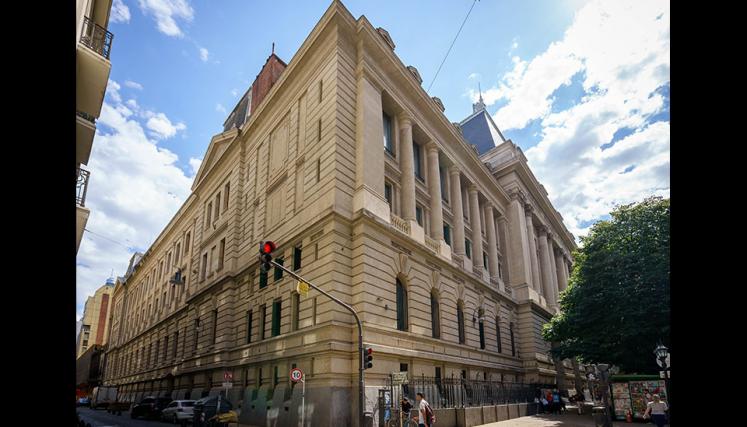

Foto 1-Colegio Nacional de Buenos Aires. Fuente: Buenos Aires Museo
Foto 2-Colegio Nacional de Buenos Aires. Fuente: Buenos Aires Museo
Foto 3-Colegio Nacional de Buenos Aires. Fuente: Casco Histórico
Foto 4-Colegio Nacional de Buenos Aires.